
Most Popular
Popular

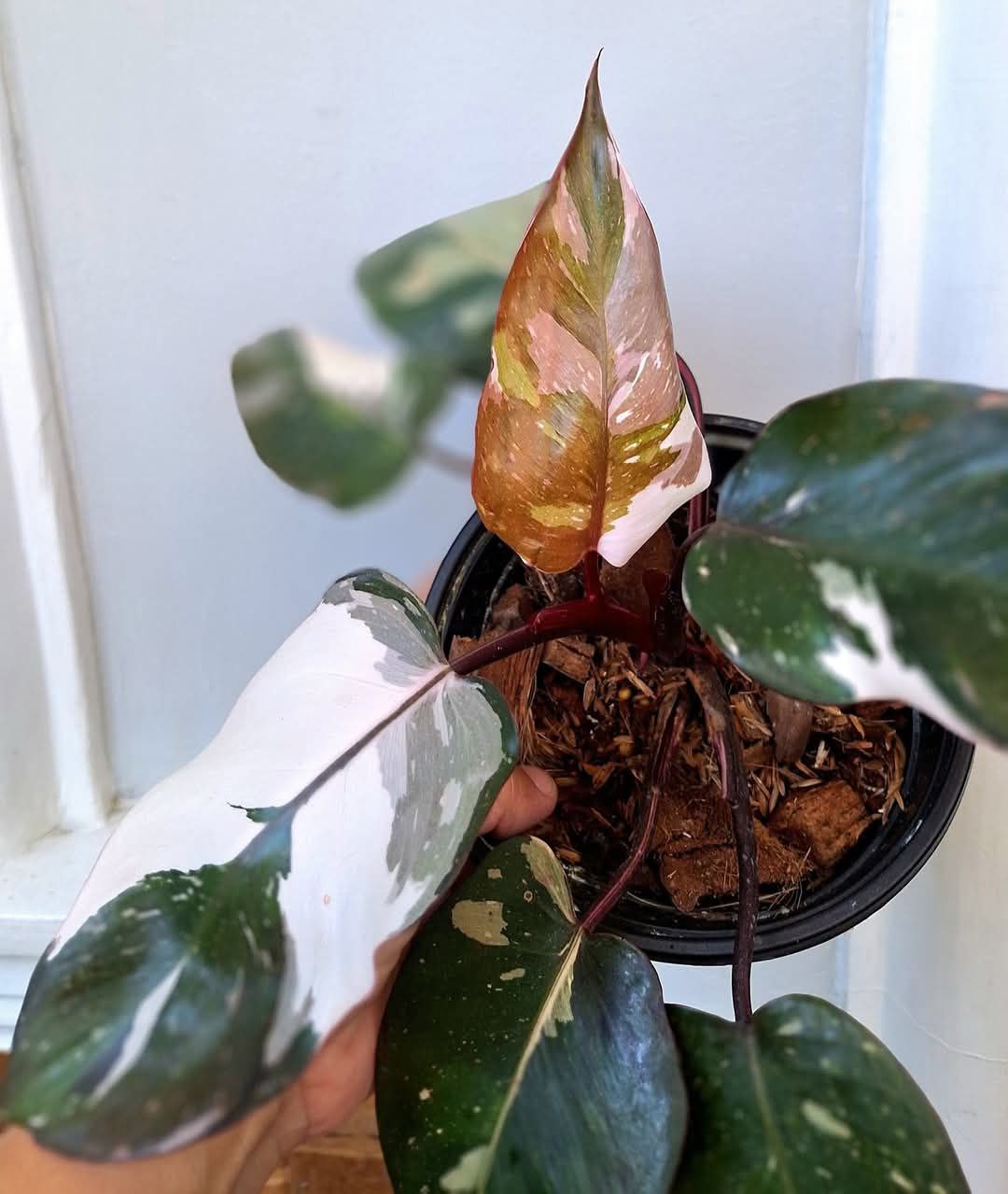
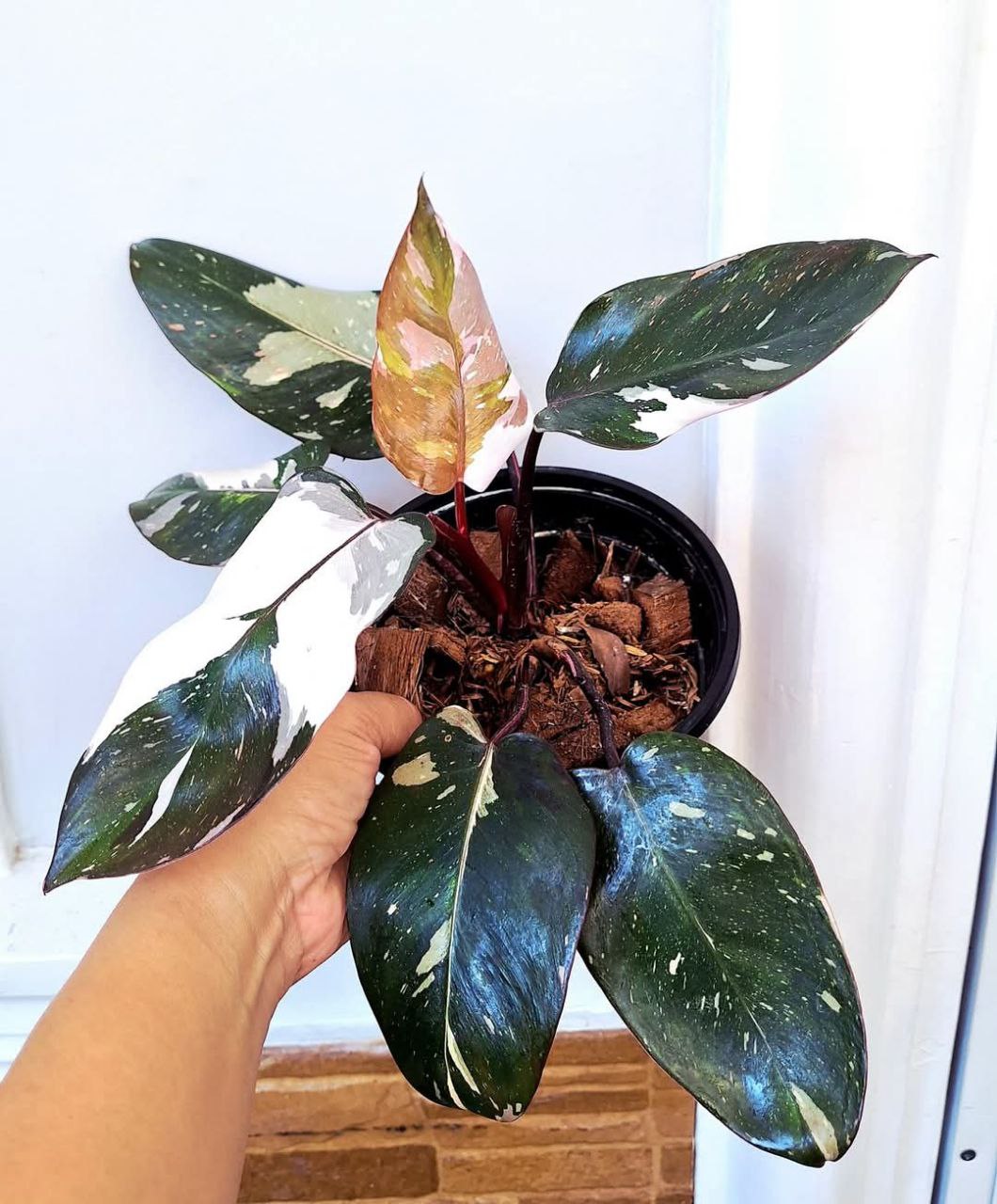
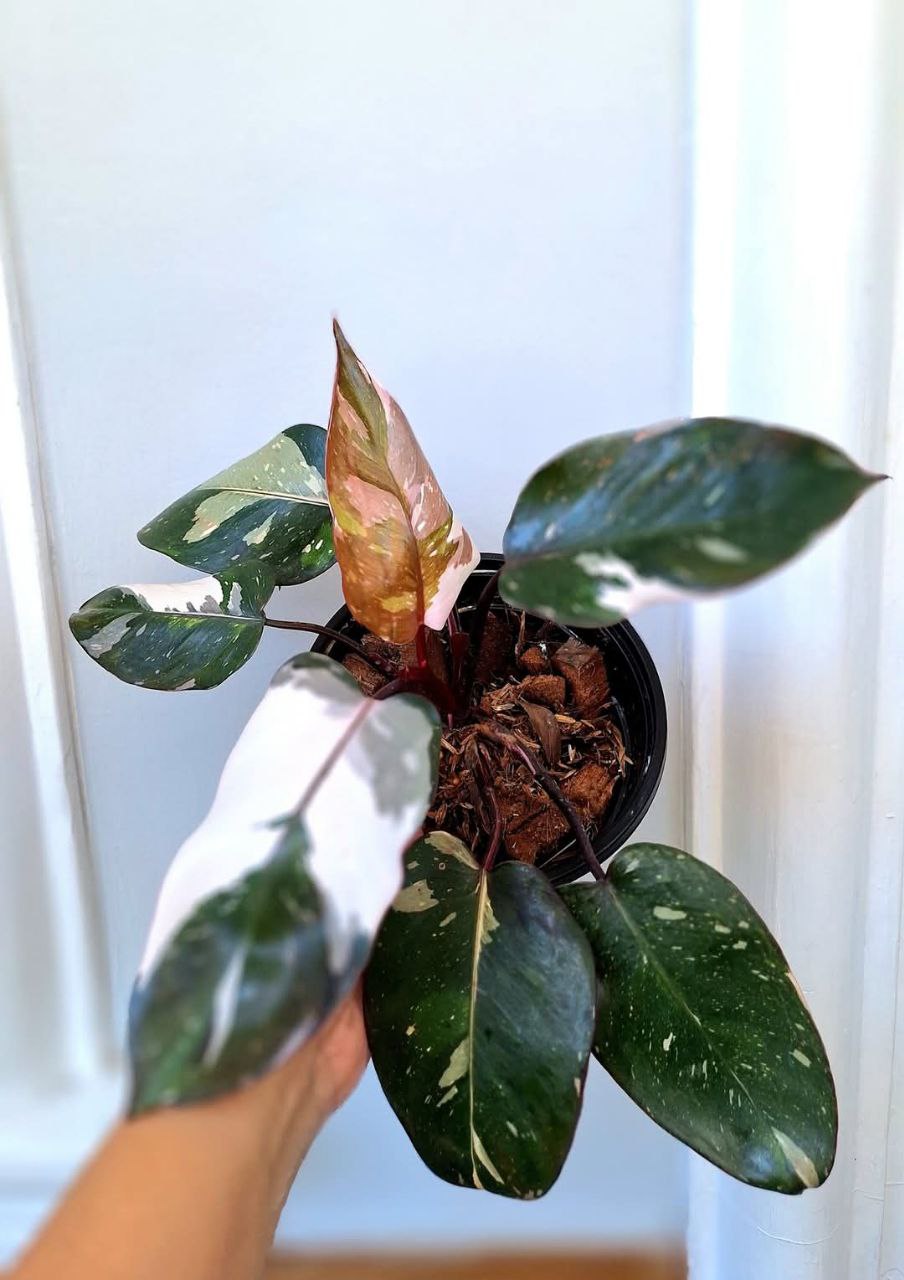
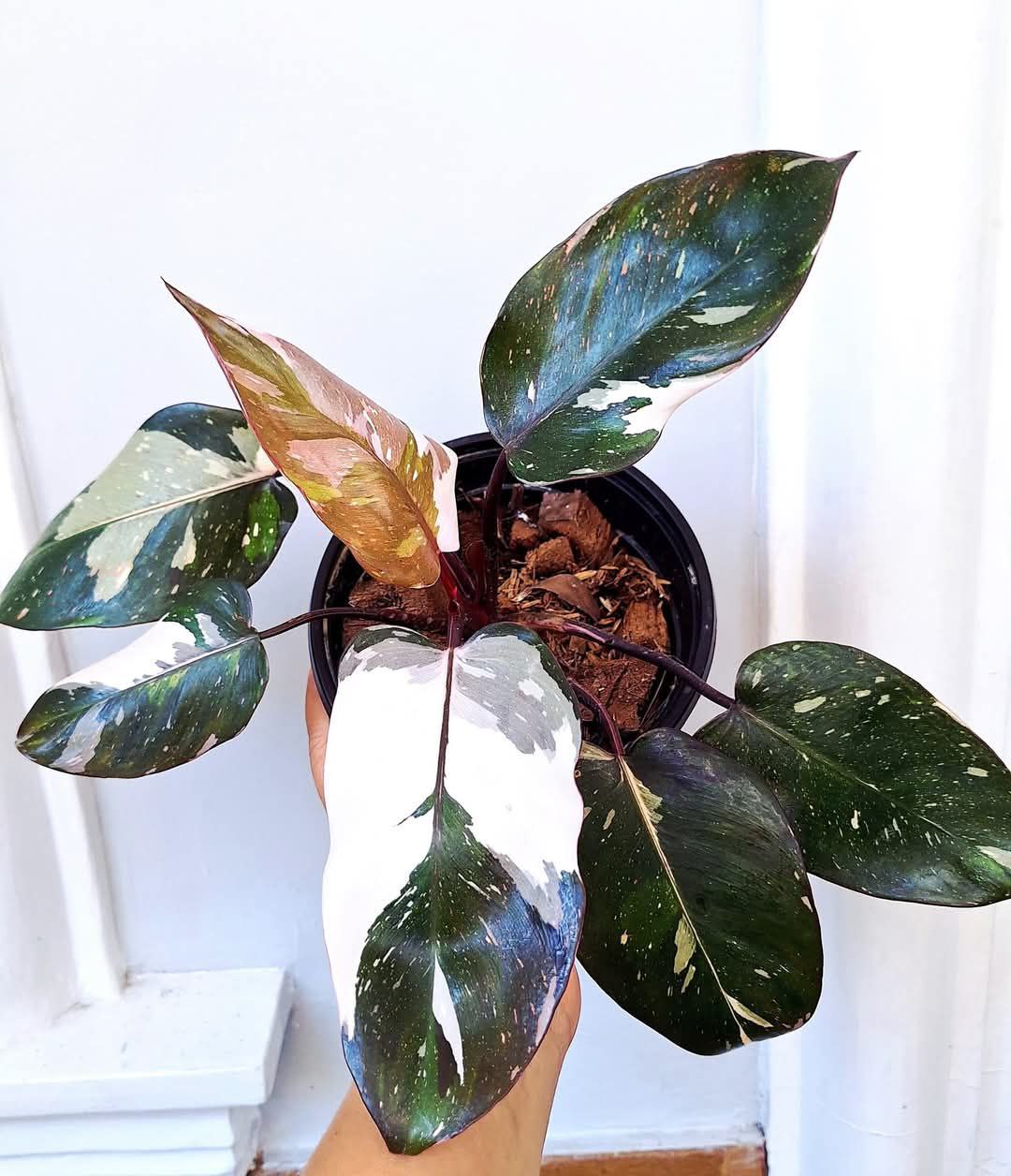
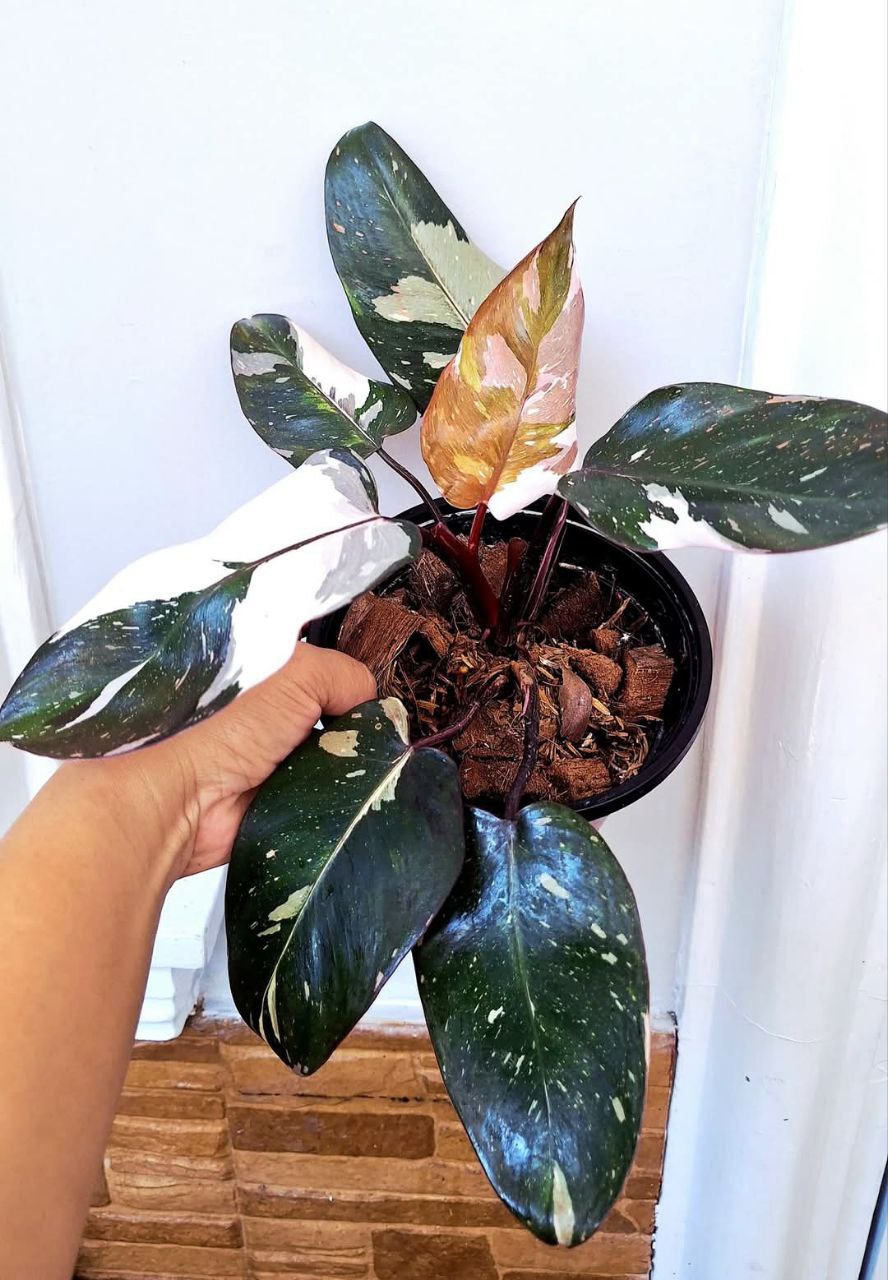
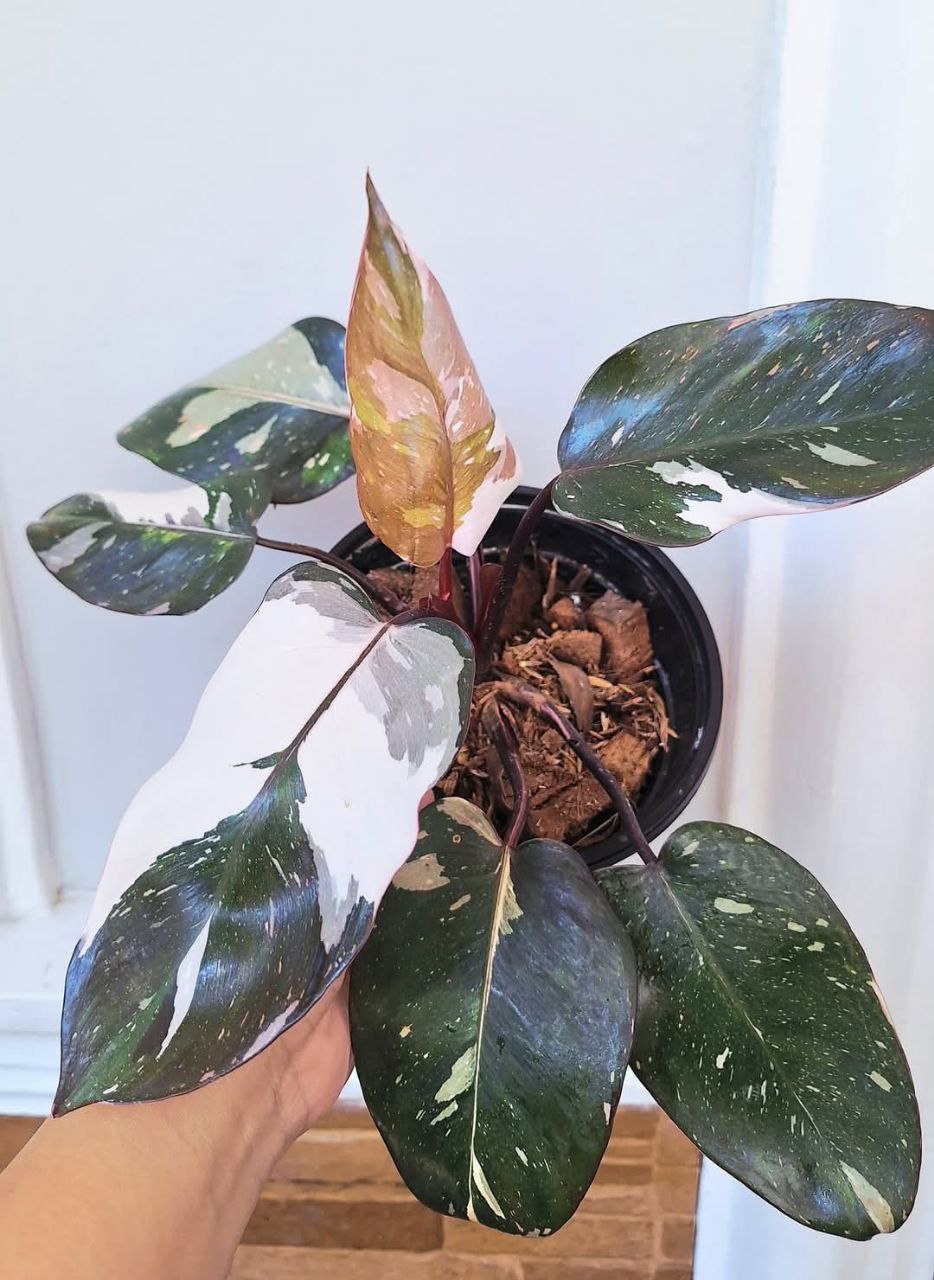
Philodendron Red Anderson Variegated
$65.00
Philodendron Red Anderson Variegated
A rare hybrid with creamy marbling, soft red undertones, and glossy green foliage. Stable variegation, collector-grade, and perfect for bright indoor spaces. Limited stock — grab this premium plant before it’s gone!
Philodendron Red Anderson Variegated: The Complete Guide to This Rare Collector’s Jewel
The Philodendron Red Anderson Variegated has quickly become one of the most sought-after aroids among collectors, thanks to its mesmerizing blend of cream variegation, deep red undertones, and bold green foliage.
Whether you call it philo red anderson variegated, red anderson plant, or red anderson philodendron, its beauty speaks for itself. This hybrid shows off a dramatic color palette that feels almost painted, making it a premium ornamental plant for hobbyists and collectors worldwide.
If you’re looking to understand what makes the variegated Red Anderson so special and how to care for it like a pro this long-form guide covers everything you need, from identification to troubleshooting and buying tips.
What Makes the Philodendron Red Anderson Variegated So Special?
Every variety within the philodendron world seems to offer something unique, yet the Philodendron Red Anderson Variegated stands out even further. Its signature feature is its high contrast variegation, where splashes and blocks of cream meet reddish hues across broad green leaves.
Unlike many variegated philodendrons that focus mainly on white or yellow tones, the Red Anderson carries an added layer of blush red pigmentation, which intensifies with proper lighting.
Collectors also value this plant for its unpredictable variegation pattern, meaning every leaf is different. Some may come in heavily variegated with cream sectors, while others carry subtle marbling. This added rarity deeply influences its value.
How to Identify a True Variegated Red Anderson
Due to its high demand, it’s important to know how to spot an authentic variegated Red Anderson.
Here’s how to distinguish the real thing:
1. Signature Red Blush
New leaves typically emerge with a reddish or pink tint before hardening off. This trait is not as prominent in many other philodendrons.
2. Cream Variegation Rather Than Bright White
The Philodendron Red Anderson’s variegation leans toward soft cream or buttery tones, not pure white.
3. Thick, Glossy Leaves
The leaves have a semi-thick texture with a glossy finish, slightly similar to hybrid philodendrons but with a more structured shape.
4. Hybrid Growth Pattern
As a hybrid plant, it grows compact and upright at first, gradually forming a more climbing habit as it matures.
If these traits aren’t present, the plant may be a misidentified hybrid or a reverted form of the Red Anderson.
The Origins & Background of the Red Anderson Philodendron
While the plant’s full hybrid lineage is not widely published, it is believed to be a mix involving a Philodendron species with strong red pigmentation combined with a variegated specimen. This explains its unusual blend of warm and cool tones.
Collectors value the red anderson philodendron not only for its rarity but for its mysterious breeding history, which contributes to its allure. Like many hybrid philodendrons, the Red Anderson was selectively cultivated to bring out both its variegation and red hues two features that rarely coexist naturally.
Ideal Light Conditions for Vibrant Color and Stable Variegation
Light is one of the most critical aspects of caring for the Philodendron Red Anderson Variegated.
✔ Bright, indirect light is ideal
Indirect light encourages strong variegation without scorching sensitive cream sections.
✔ Avoid direct afternoon sun
Cream areas are prone to burning quickly.
✔ Increase light to prevent fading
If you notice the plant producing greener leaves, it may be a sign that your philo red anderson variegated needs more light.
✔ Grow-light friendly
This plant responds wonderfully to high-quality LED grow lights, especially if grown indoors.
Proper lighting is the key to bringing out the full spectrum of colors from green to cream to its soft red highlights.
Best Soil Mix for Growing a Healthy Red Anderson Plant
A specialized soil blend ensures the Red Anderson thrives. Because it’s an aroid, the soil should mimic its natural tropical environment: aerated, chunky, and moisture-retentive without becoming muddy.
Recommended Soil Mix:
- 40% high-quality potting mix
- 20% perlite
- 20% orchid bark
- 10% coco coir
- 10% pumice or charcoal
This mix ensures:
- Excellent root aeration
- Good drainage
- Prevention of root rot
- Even moisture retention
A compact or dense soil can suffocate the roots, leading to stunted growth and yellowing leaves issues commonly mistaken for nutrient deficiencies.
Proper Watering Routine for Philodendron Red Anderson Variegated
Watering mistakes are one of the most common problems encountered by collectors.
General Watering Guidelines:
- Water only when the top 2 inches of soil feel dry.
- Always use pots with drainage holes.
- Avoid letting the plant sit in collected water.
- Reduce watering frequency during cooler months.
Signs of Overwatering:
- Yellowing leaves
- Mushy stems
- A sour smell from the soil
Signs of Underwatering:
- Curling leaves
- Dry brown edges
- Droopy stems
Creating a consistent watering schedule helps the variegated Red Anderson maintain stable growth and prevent variegation loss due to stress.
Humidity & Temperature Requirements for Red Anderson Philodendron
As a tropical hybrid, the Philodendron Red Anderson thrives in warm and humid conditions.
Ideal Conditions:
- Humidity: 60–80%
- Temperature: 65–85°F (18–29°C)
If your home is on the drier side, consider:
- A humidifier
- Pebble trays
- Grouping plants together
Higher humidity helps the plant produce large, healthy leaves while preserving the cream and red pigmentation.
How to Propagate a Philodendron Red Anderson Variegated Safely
Propagation can be rewarding but requires careful technique to avoid reverting or damaging the mother plant.
Best Propagation Method: Stem Cuttings
Choose a stem that has:
- At least one healthy node
- Visible variegation
- A strong petiole
Propagation Steps:
- Use clean, sharp scissors or shears.
- Cut just below a node.
- Allow the cutting to callous for a few hours.
- Place in water, sphagnum moss, or perlite.
- Keep in warm, bright conditions.
Propagation may be slower compared to other philodendrons due to the plant’s hybrid nature.
Common Problems & How to Fix Them Quickly
Even well cared for plants encounter issues. Here’s how to troubleshoot the red anderson plant:
1. Brown Spots
Cause: Sunburn or low humidity
Fix: Move to gentler light and raise humidity.
2. Yellow Leaves
Cause: Overwatering
Fix: Improve drainage; reduce watering frequency.
3. Faded Variegation
Cause: Low light
Fix: Increase indirect light or use a grow light.
4. Drooping Stems
Cause: Underwatering or shock
Fix: Water thoroughly; check temperature levels.
Addressing these issues early helps keep your philo red anderson variegated thriving long-term.
Philodendron Red Anderson Variegated vs Similar Variegated Hybrids
Many philodendrons share superficial similarities, but the Red Anderson has traits that set it apart.
Compared to White Knight Variegated
- Red Anderson has cream tones vs bright white
- Red Anderson shows red blushes on new leaves
Compared to Pink Princess
- Red Anderson has more stable variegation
- Pink Princess has sharper pink tones but less cream
Compared to White Wizard
- Red Anderson has multi-toned variegation
- Wizard is more simple and white-focused
These differences help collectors correctly identify and appreciate the plant’s unique aesthetics.
Fertilizer Tips to Boost Color, Leaf Size & Growth
Fertilizing correctly ensures healthy foliage and maintains strong variegation.
Best Fertilizer Type:
- Balanced liquid fertilizer (e.g., 20-20-20)
- Slow-release fertilizer for long-term feeding
How to Fertilize:
- Feed every 4 weeks during growing season
- Avoid fertilizing during winter
- Use half-strength to prevent root burn
Consistent nutrition helps your red anderson philodendron produce larger leaves with vibrant tones.
Where to Buy a Healthy Philodendron Red Anderson Variegated
Because this plant is rare, always buy from reputable sellers. Look for:
- Clear, detailed photos of the actual plant
- Proven variegation
- A healthy root system
- Secure packaging methods
Good sellers will disclose whether the plant is a top cut, mid cut, or established plant, which affects price and growth behavior.
Final Thoughts: Is the Red Anderson Plant Worth Adding to Your Collection?
If you’re someone who appreciates rare aroids, striking variegation, and unique hybrids, the Philodendron Red Anderson Variegated is absolutely worth considering. Its creamy marbling, soft red undertones, and collectible value make it a standout piece in any collection. With proper care good light, humidity, and a well-draining soil mix—this plant can reward you with leaf after leaf of painterly beauty.
If you’re building a collection of premium variegated aroids, the Philodendron Red Anderson Variegated pairs beautifully with other rare plants available in our shop. Explore similar high-value varieties such as the Variegated Monstera Deliciosa, the stunning Philodendron Billietiae Variegated , or the collector-favorite Philodendron Caramel Marble Variegated. Or if you are a Lover of Alocasia, here are some to choose from too
Together, these rare aroids create a visually captivating collection filled with bold contrasts, dynamic patterns, and unique hybrid foliage.
Related products
-
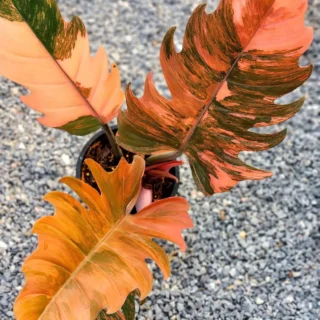
CARAMEL MARBLE PINK PLANT
$95.00Add to cart✅ PRODUCT DETAILS ✨ Plant Highlights Naturally rare & slow-growing Unique marbled variegation with pink tones Thick, leathery leaves with luxurious texture Perfect for indoor collectors & aroid lovers 🌿 Botanical Description The Caramel Marble Pink displays unpredictable marbling that develops richer color as the plant matures. Every leaf feels like nature’s artwork—blush pink, warm …
Testimonials

Sabina
Duis aute irure dolor in reprehenderit in voluptate velit esse cillum dolore

Rex
Duis aute irure dolor in reprehenderit in voluptate velit esse cillum dolore
Know Us

Over the 9 years of business, with learning the floral industry, we are still to this day improving ourselves, each and every day to make your floral sending experience fantastic.
Read More
Reviews
There are no reviews yet.