
Most Popular
Popular

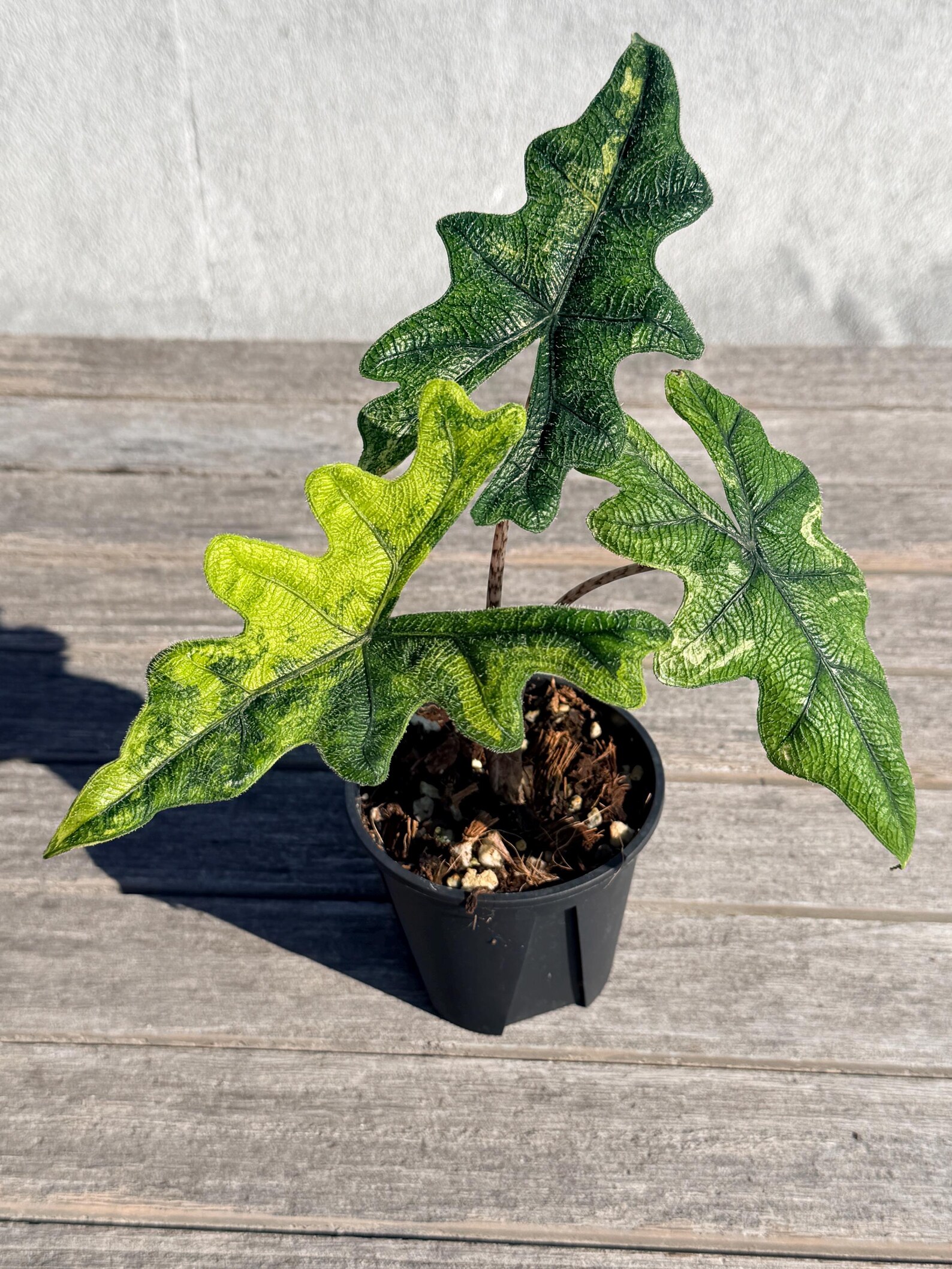
Alocasia Tandurusa The Rare Jewel With Unmistakable Tropical Presence
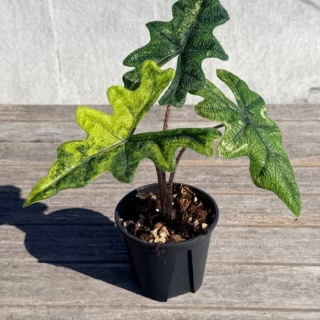
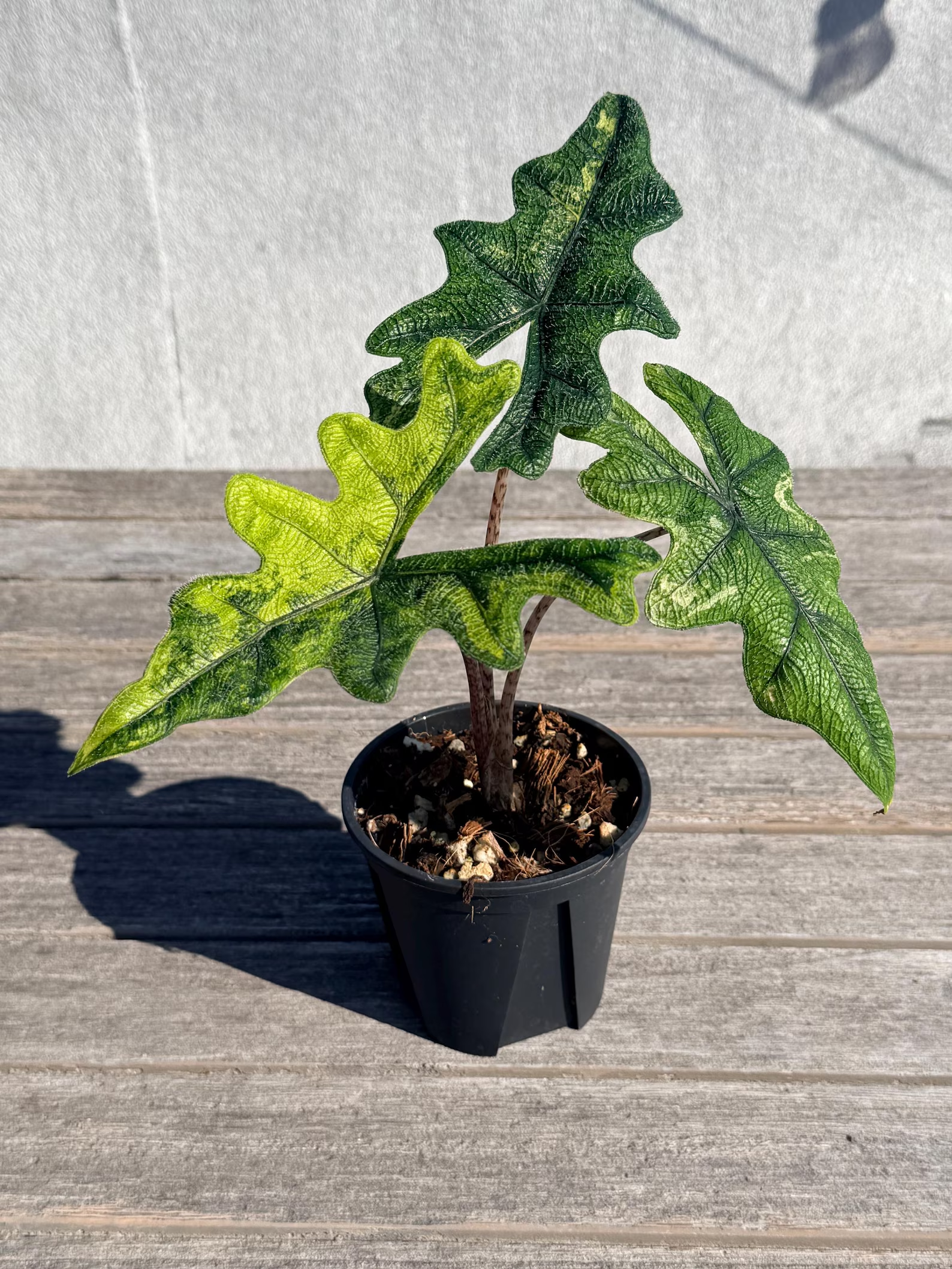
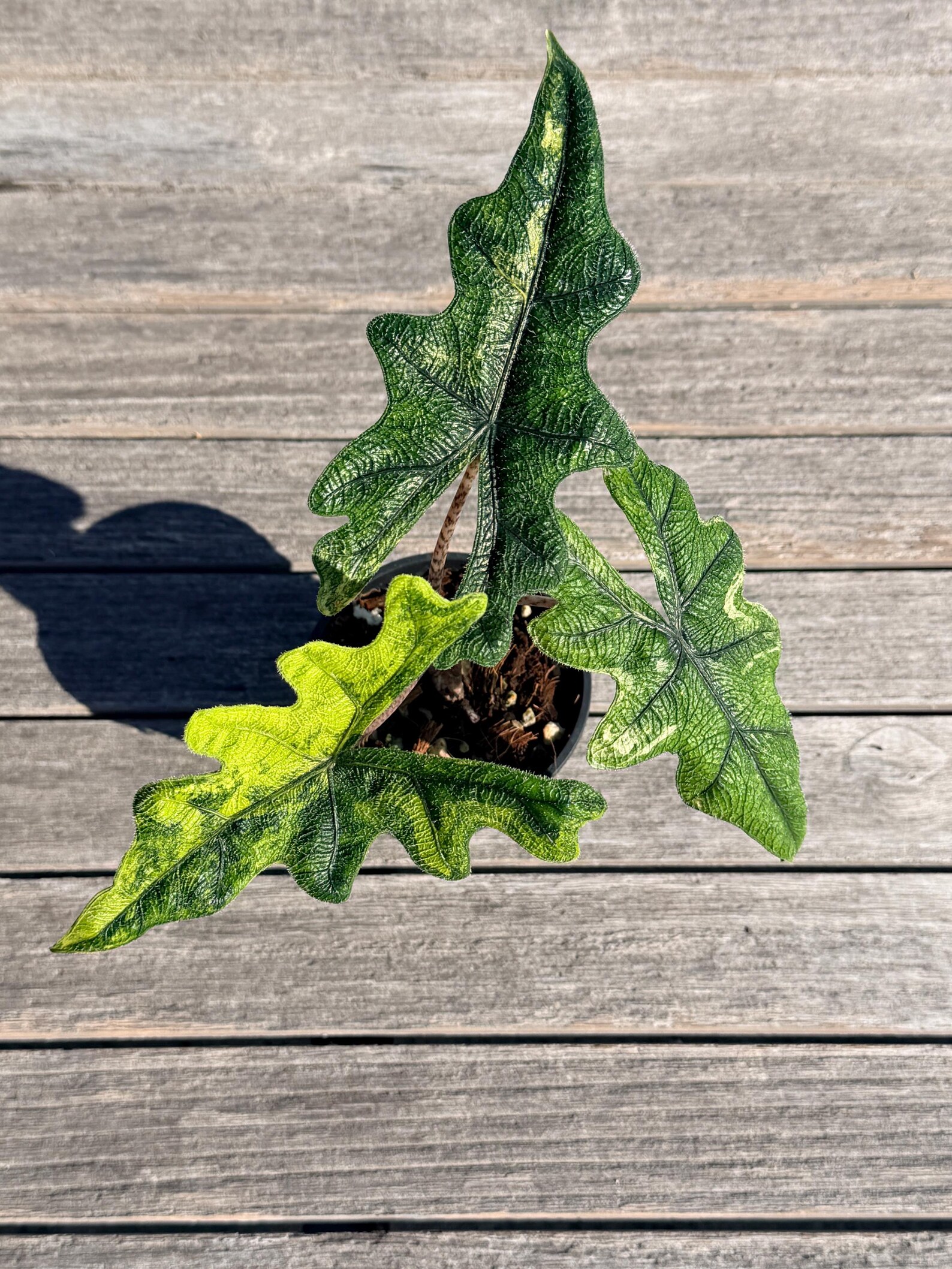
The Alocasia tandurusa is quickly becoming a collector’s treasure thanks to its fierce, sculpted foliage and compact growth habit. Known for its bold leaves, defined textures, and exotic look, this species stands out even among premium Alocasia varieties. If you’re searching for an attention-stealing houseplant with true rarity, the Alocasia tandurusa is a perfect candidate.
Below is a complete, SEO-optimized deep-dive into its origins, care guide, growth pattern, and why it’s becoming a must-have in the aroid world.
🌿 What Makes Alocasia Tandurusa Unique?
This plant earns its name from characteristics reminiscent of “tandurusa,” referencing a stout, muscular form. Each leaf is rigid, glossy, and richly colored, with a pronounced bone-like structure that gives it a strong architectural vibe. Its upright posture makes it perfect for minimalist displays, tropical corners, and premium plant shelves.
Collectors especially love:
- Sharp, defined leaf edges
- Deep emerald tones
- Strong upright petioles
- Rare availability in the market
- Its striking appearance even at a small size
This is an Alocasia that looks expensive—and truly elevates a plant collection.
🌱 Origins of the Alocasia Tandurusa
Native to Southeast Asian rainforest environments, this species thrives in humid, shaded jungle floors. Its natural habitat provides important clues for replicating perfect indoor care:
- Warm, stable temperatures
- Soft, diffused lighting
- Well-draining organic soil
- High moisture and humidity levels
When cared for properly, the plant rewards owners with strong, continuous foliage growth.
🌤 Light Requirements for Alocasia Tandurusa
Alocasia tandurusa prefers bright, indirect light, ideally similar to natural forest conditions. Direct sunlight is too harsh and may cause leaf scorching, while low light may limit leaf development and reduce its iconic structure.
Ideal lighting setup:
- Near an east-facing window with soft morning sun
- A few feet back from a bright south or west window
- Under a high-quality grow light if natural light is limited
Consistent lighting ensures the leaves remain broad, glossy, and upright.
💧 Watering Requirements
Like most Alocasia species, the tandurusa loves moisture—but not soggy soil.
Best watering practice:
- Water when the top 1–2 inches of soil feel dry
- Never let it sit in a saturated pot
- Maintain consistent moisture during the growing season
- Reduce watering slightly in cooler months
If the plant starts to droop or its edges curl, it’s often a sign of underwatering or sudden humidity changes.
🌡 Temperature & Humidity
Alocasia tandurusa thrives in warm, tropical conditions.
Temperature Range:
- Ideal: 70–85°F
- Minimum: 60°F
Avoid cold drafts, air conditioners, and sudden shifts in temperature.
Humidity Levels:
- Minimum: 60%
- Ideal: 70–85%
You can boost humidity with:
- Pebble trays
- Humidifiers
- Grouping plants together
- Enclosure cabinets
High humidity enhances leaf size, coloration, and overall vigor.
🪴 Best Soil Mix for Alocasia Tandurusa
Alocasia need a breathable substrate that drains well but retains moisture.
Recommended soil blend:
- 40% high-quality potting mix
- 30% coco coir
- 20% perlite
- 10% orchid bark
This mix mimics natural forest soil and allows roots to grow strong and fast without staying waterlogged.
🌱 Fertilizing Alocasia Tandurusa
During the growing season (spring through early fall), a balanced fertilizer helps support leaf development and root strength.
Use:
- A diluted liquid fertilizer every 2–3 weeks,
- Or a slow-release fertilizer every 8–10 weeks.
Avoid overfeeding, as Alocasia species can be sensitive to salt buildup.
🌿 Common Problems & Troubleshooting
Yellowing Leaves
Often caused by overwatering or poor drainage.
Brown Edges
Typically linked to low humidity or inconsistent watering.
Drooping Leaves
May indicate cold temperatures, low light, or dryness.
Pests (Thrips, Spider Mites, Mealybugs)
Use neem oil or insecticidal soap and increase humidity for prevention.
🌟 Why Collectors Love the Alocasia Tandurusa
This species is gaining popularity fast because of its:
- Distinct, muscular leaf structure
- Compact form perfect for indoor displays
- Ability to stand out even among rare Alocasia types
- Strong visual presence with minimal growing space
- Rarity in the market, making it a collector’s pride
If you’re building a premium collection or expanding your aroid display, the Alocasia tandurusa delivers style, rarity, and elegance in one package.
🪴 Final Thoughts
The Alocasia tandurusa brings bold, tropical energy into any space. With its dramatic foliage, structured growth habit, and collector-level rarity, it’s a worthwhile addition for anyone who loves exotic, sculptural houseplants. When given proper care—bright filtered light, humidity, and a gentle watering routine—it becomes a standout centerpiece in any home jungle.
You might also Like these other plants to add to your collection
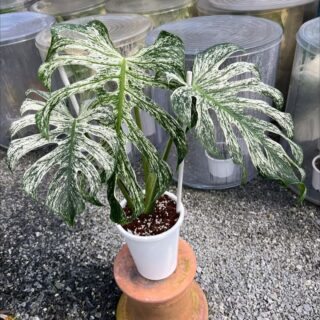
Large Monstera Vietciosa Highly Variegated
Related products
-
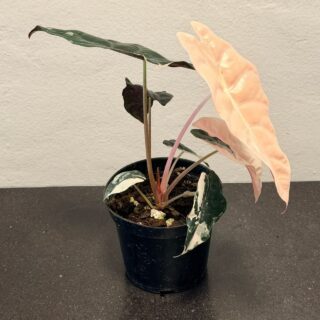
Alocasia chantrieri variegated pink
$700.00Add to cartThe Alocasia chantrieri variegated pink is a rare collector’s gem featuring deep metallic foliage brushed with soft pink variegation. Each leaf displays a unique blend of dark emerald tones and blush marbling, creating a striking, sculptural presence. Perfect for aroid enthusiasts, this slow-growing beauty thrives in bright indirect light and high humidity, making it an elegant centerpiece for any rare plant collection. Limited availability.
-
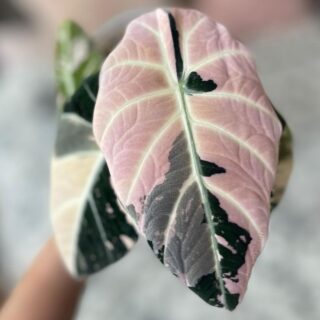
Variegated alocasia black velvet
$120.00Add to cartThe Variegated Alocasia Black Velvet is a rare gem designed for collectors who appreciate foliage with depth, texture, and artistry. Its signature dark, velvety leaves create a dramatic backdrop for the unpredictable splashes of creamy white, mint, and soft sage variegation—each leaf forming its own captivating pattern. Compact, slow-growing, and irresistibly ornamental, this plant brings luxury to any indoor space without demanding much room.
Testimonials

Sabina
Duis aute irure dolor in reprehenderit in voluptate velit esse cillum dolore

Rex
Duis aute irure dolor in reprehenderit in voluptate velit esse cillum dolore
Know Us

Over the 9 years of business, with learning the floral industry, we are still to this day improving ourselves, each and every day to make your floral sending experience fantastic.
Read More
Reviews
There are no reviews yet.